
Our mission
Welcome to our home of hope, love, and second chances.
We are an animal shelter and recovery center dedicated to rescuing, treating, and providing a safe haven for abandoned, injured, and abused animals. Our mission is clear – every being deserves a life free from pain, fear, and injustice
Thanks to the support of people like you – through donations, adoption, volunteering, or simply sharing our mission – we are able to make a difference every day.
Together, we can change the life of one animal. And then another. And another.
Opened
Animal that passed through the shelter
Our growth
See how we’ve grown
The Beginning of Our Mission and the Shelter’s Growth
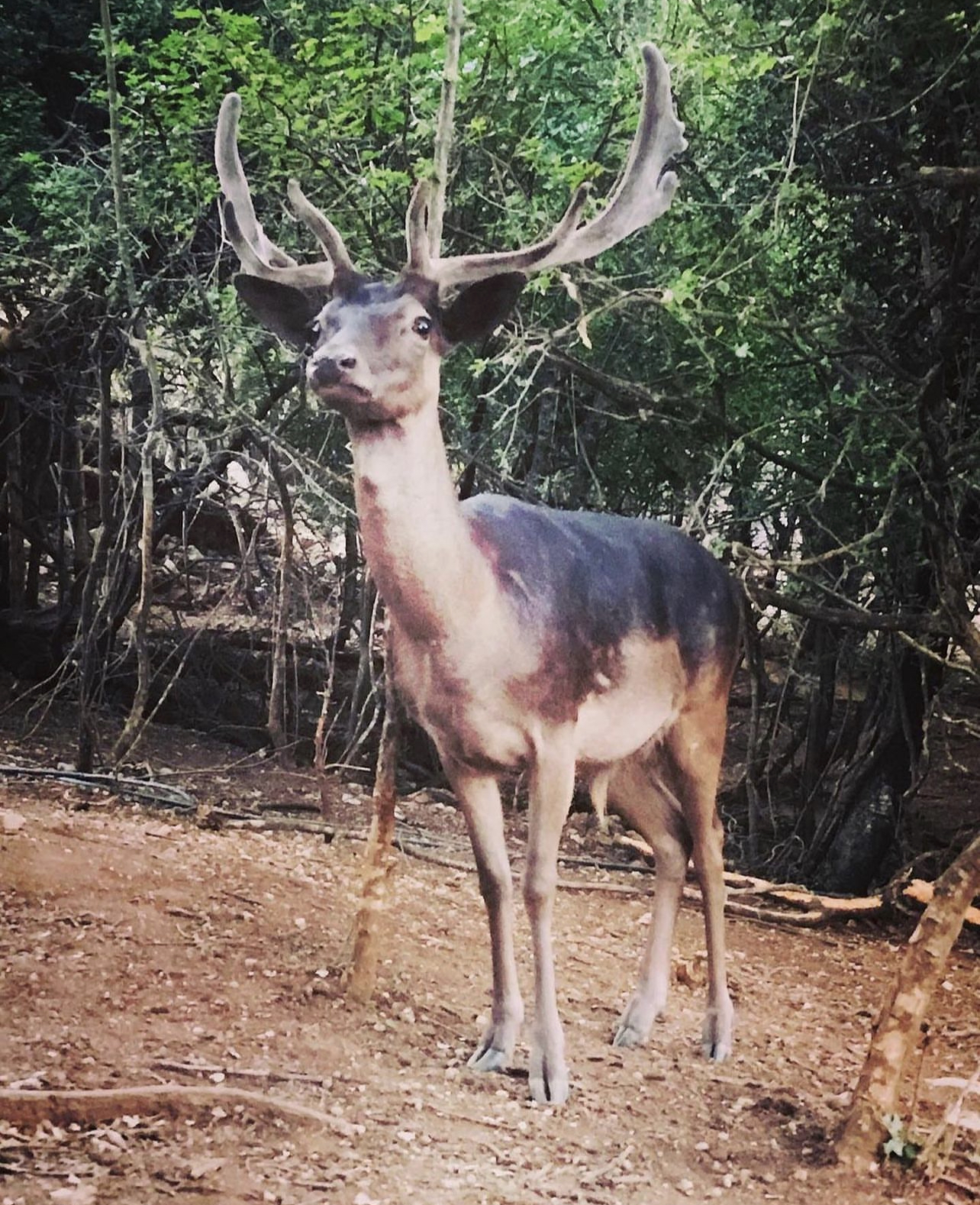
This period marked an intensive development of the shelter, from the initial idea to the formation of a functional and organized animal protection institution. It all began in 2005, when the initial vision of establishing the shelter was created and the first temporary space for caring for animals was secured. During this time, care was provided to the first abandoned and injured animals, including a badger, while fallow deer and peacocks found new homes through successful adoptions.
During 2006, key steps were taken to build the basic infrastructure, including barns, fenced enclosures, and drinking stations, creating the conditions for further progress. The first collaborations with local veterinarians were established, and the shelter began caring for exotic and wild animals that could no longer be returned to the wild. In 2007, new investments were made to improve living spaces and expand the property, allowing the shelter to accommodate and care for an increasing number of rescued animals.
In 2008, additional housing facilities were constructed, and a volunteer program was established, engaging the community and significantly improving daily operations. During 2009, the development continued with further construction and expansion of enclosures, making the space safer and more functional. By 2010, organized tours and educational programs were introduced, allowing visitors to gain a better understanding of the shelter’s role and the importance of animal protection.
The year 2011 brought further expansion – an additional plot of land was secured and a new facility was built, while a detailed record-keeping system for each animal was introduced, raising the level of care and monitoring of their health. In 2012, the shelter strengthened its position by establishing collaborations with organizations and institutions across the country, contributing to faster responses and more efficient animal care. During this period, wild and exotic animals confiscated at border crossings were actively rehomed, further highlighting the shelter’s crucial role in their protection and rehabilitation.
International Collaboration and Improvement of Animal Welfare
This period was marked by further growth and professionalization of the shelter’s operations, along with the strengthening of educational programs and the improvement of animal care conditions. In 2013, collaborations with international organizations were established, contributing to knowledge exchange and additional support for the shelter’s work. During this time, organized visits for children were also introduced, with partnerships established with schools and the integration of educational content into their visits.
In 2014, existing facilities were reconstructed to accommodate the growing number of animals, improving conditions for their stay and recovery. A new building was also constructed for workshops and educational programs, enabling more intensive engagement with visitors, especially children. The number of children’s visits increased significantly, and education became an important aspect of the shelter’s activities.
During 2015, the shelter was officially registered as a non-governmental organization, formalizing years of work and opening new opportunities for collaboration, projects, and donations. During the same period, school visits continued, along with the development of educational activities that helped raise awareness about animal and nature protection.
In 2016, the focus was on further improving living conditions for animals, especially wild species, for which a dedicated space was created. A quarantine area for newly admitted animals was also introduced to ensure their safety and health monitoring. The number of volunteers continued to grow, further facilitating daily work and animal care. A projector and screen were acquired, elevating educational presentations to a higher level and making them an integral part of visits and workshops.
Capacity Expansion, Care for Challenging Species, and Opening to the Public
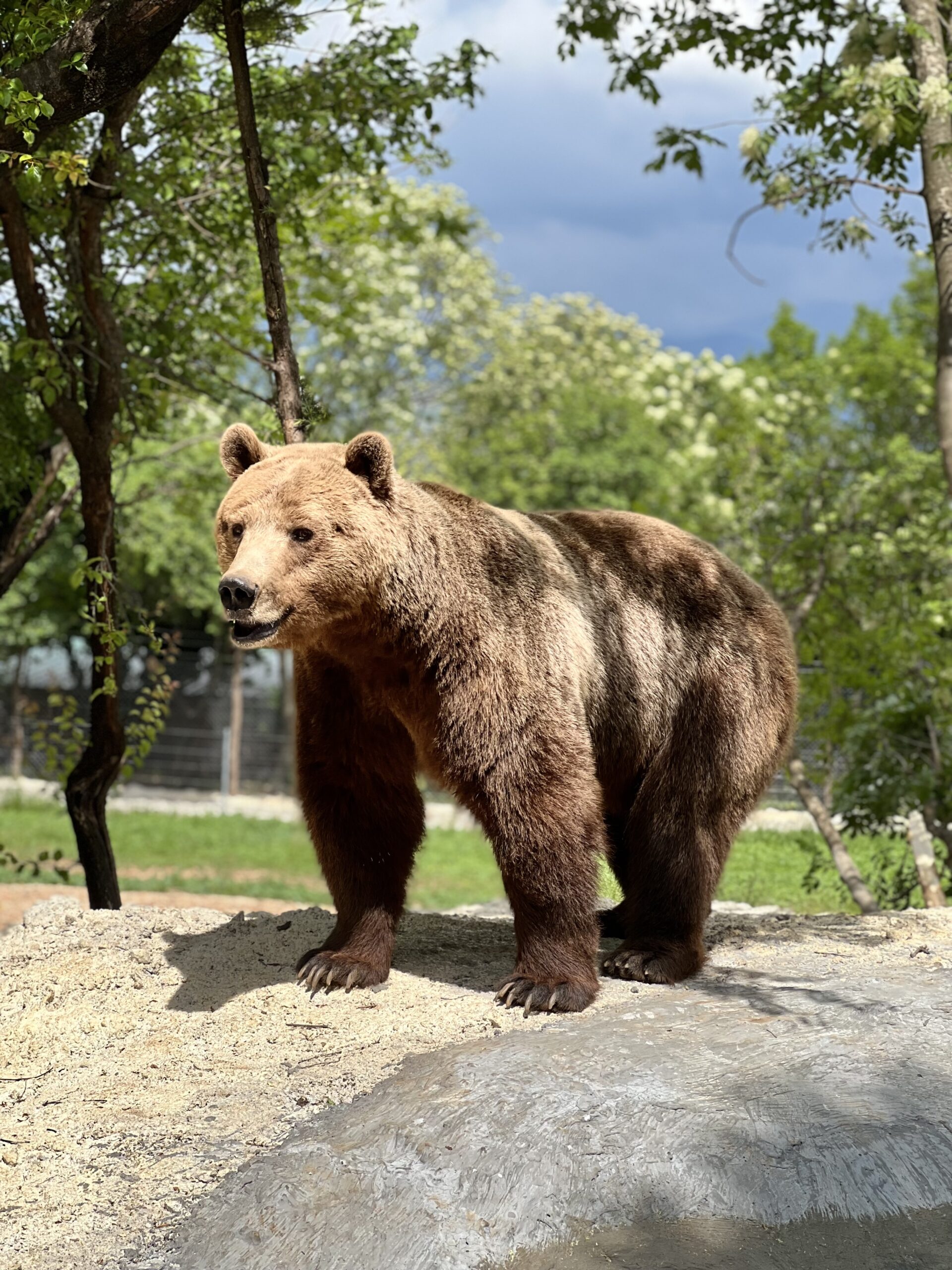
In 2017, intensive work focused on the care and rehabilitation of the bear cubs Maša, Brunda, and Ljubo, and a young wolf was adopted. In May, the gates were opened to visitors. Animals rescued from an Italian circus, including llamas, camels, and other exotic species, were saved and rehomed. Collaboration with the Ministry of Agriculture and Tourism was also established.
During 2018, specialized enclosures were built for brown bears, wolves, foxes, and wild cats, as well as an indoor facility for workshops and educational programs. A temporary permit for keeping wild animals was obtained, and the company ZOO Park d.o.o. was established.
The following year, capacities for exotic and injured animals were expanded, new visitor paths were built, and the shelter was recognized by the Capital City Tourist Organization as the best tourist–excursion site. Additionally, approval from the Agency for the Keeping of Wild Animals was renewed.
Improvement of Standards, Infrastructure Development, and Strengthening Cooperation
In 2020, the shelter faced the challenges of the pandemic, with a reduced number of visitors and logistical difficulties. Despite this, significant progress was made with the acquisition of a permanent permit for keeping wild animals. Intensive work was carried out to improve conditions, and a comprehensive project was implemented, enhancing technical facilities, constructing a water supply system, expanding spatial capacities, creating isolation and quarantine areas, building a facility for safe disposal of animal by-products, installing disinfection barriers, and establishing a maternity area for pregnant animals.
During 2021, rare animals that could not be returned to the wild arrived at the shelter. Cooperation with the municipality and ecological services was strengthened, enabling better coordination in animal protection and care.
In 2022, the focus was on infrastructural improvements through a new project by the Food Safety, Veterinary, and Phytosanitary Administration. Electrical systems and lighting were installed in buildings, yards, and animal enclosures, capacities were expanded, and new housing for abandoned rabbits was constructed.
The year 2023 was marked by the construction of a reserve for brown bears, as well as new enclosures for degus, squirrels, and guinea pigs. ZOO Park was officially registered in the Zoo Registry, and international experts gave high marks for the quality of the reserve. Additionally, the bear cub Đuro was adopted.
During 2024, care and feeding standards were improved, housing conditions were upgraded, and the number of educational visits increased. The shelter further strengthened its educational and tourism role.

Strategic Development and Team Strengthening
This year, a comprehensive long-term protection program for exotic and wild animals was launched, improving strategic management of species requiring special care. The professional team was expanded, allowing for better organization and a higher-quality approach to daily tasks. Special emphasis was placed on strengthening marketing, developing new presentation strategies, and actively seeking donors and partners to ensure stable support for the shelter’s future growth and improvement.